Special Hazard (Dry & Wet Chemical)
Tailored chemical suppression systems for high-risk environments where water is either ineffective or destructive.
Request a Quote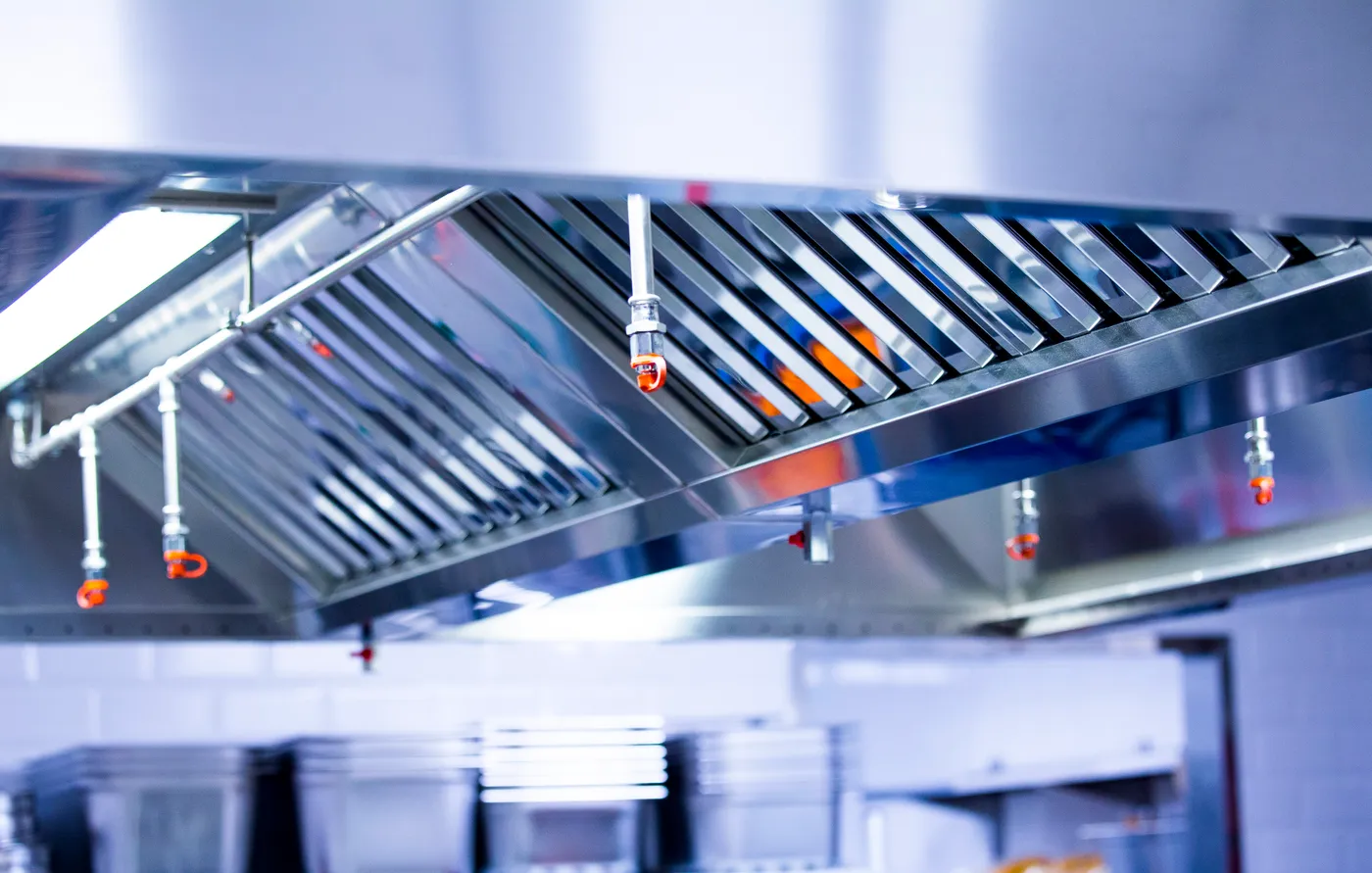
What is a special hazard chemical system?
Special hazard systems utilize chemical agents specifically tuned to a unique fire risk. Unlike water-based sprinklers, these systems deploy dry or wet chemical agents to achieve rapid knockdown and prevent re-ignition in high-energy or chemically sensitive environments.
Wet chemical systems are the industry standard for commercial cooking oils (Class K fires), while dry chemical systems are engineered for industrial processes involving flammable liquids, spray booths, and volatile fuel dispensing areas where water would cause splashing or ineffective cooling.
Types of chemical systems
Wet Chemical (Kitchen Hood)
UL 300 listed systems designed for commercial kitchens, cooling fats and forming a soap-like layer to prevent re-ignition.
Dry Chemical (BC & ABC)
Uses specialized powders to interrupt the chemical chain reaction of fire; ideal for industrial liquid hazards.
Pre-Engineered Systems
Standardized components for common hazards like restaurant hoods or small paint booths.
Engineered Systems
Custom-designed hydraulic networks for complex industrial facilities and large-scale flammable liquid storage.
Why it matters
Chemical suppression is not just about extinguishing the flame; it is about protecting high-value equipment and ensuring business continuity through specialized interlocks and rapid response.
Comprehensive appliance and hood coverage for commercial cooking. Critical fuel and gas shutoff interlock coordination. Compliance with UL 300 standards for high-temperature cooking oils. Effective suppression of Class B flammable liquid hazards. Regular semi-annual maintenance and link replacement requirements.
How Lacuna approaches it
Review
Detailed review of hazard types, equipment layout, and fuel sources.
Design
Precise agent calculation and nozzle placement for total coverage.
Coordinate
Coordination of electrical interlocks, gas shutoffs, and alarm integration.
Submit
Complete AHJ submittals including floor plans and isometric riser diagrams.
Support
Support through final puff testing, inspections, and certification.
Applicable codes & standards
All designs are coordinated with the local Authority Having Jurisdiction (AHJ).
Where it's used
Protect your special hazards today.
Get code-compliant chemical suppression designs for your highest risks.