When Does a Building Need a Fire Pump?
A fire pump is infrastructure you add when the water supply can't meet demand on its own. Here's how that call gets made.
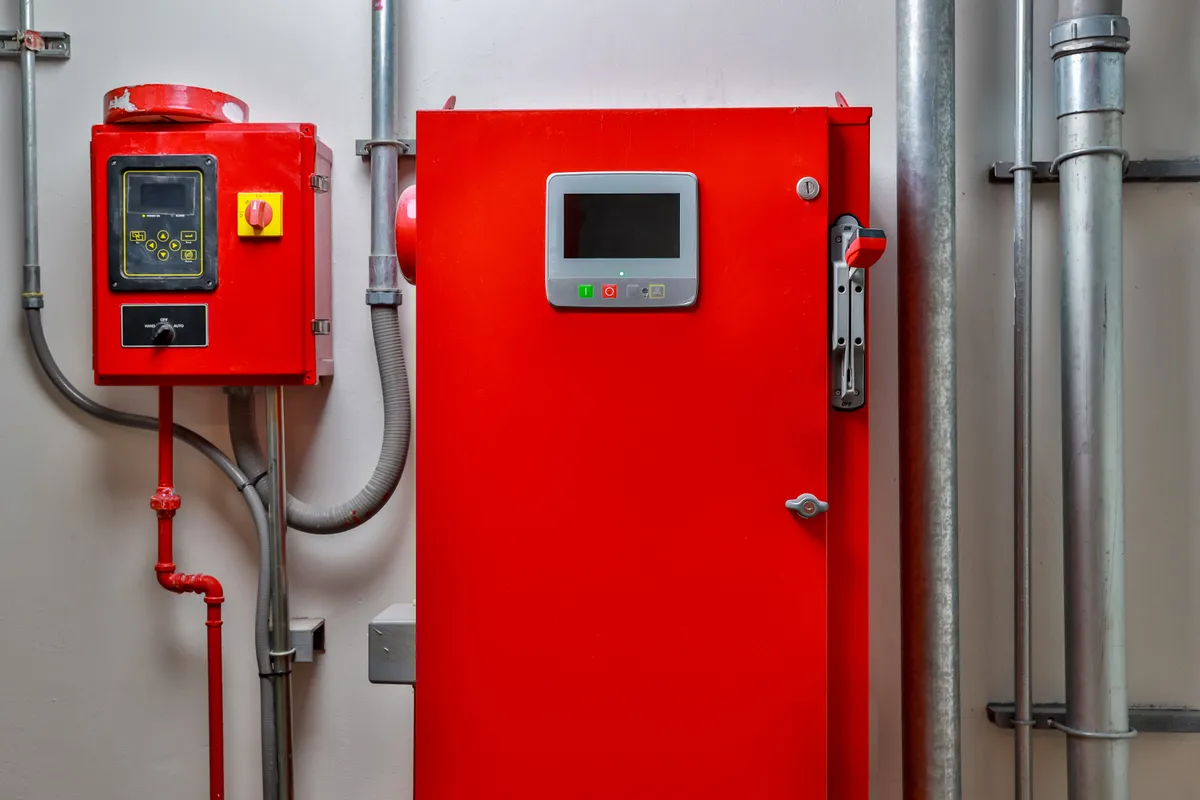
A fire pump exists to make up a shortfall. When the available water supply can deliver the flow and pressure a fire protection system needs, no pump is required. When it can't, a pump bridges the gap — and adds a room, a power supply, controllers, and ongoing testing obligations along the way.
It comes down to supply vs. demand
The decision is fundamentally a comparison. On the demand side is what the system needs at the most hydraulically remote point. On the supply side is what the municipal main, tank, or other source can actually deliver — established by a current flow test, not a nameplate.
System demand — the flow and pressure the design requires Available supply — proven by a recent, properly conducted flow test The gap — if supply falls short at the required flow, a pump is on the table
Common triggers
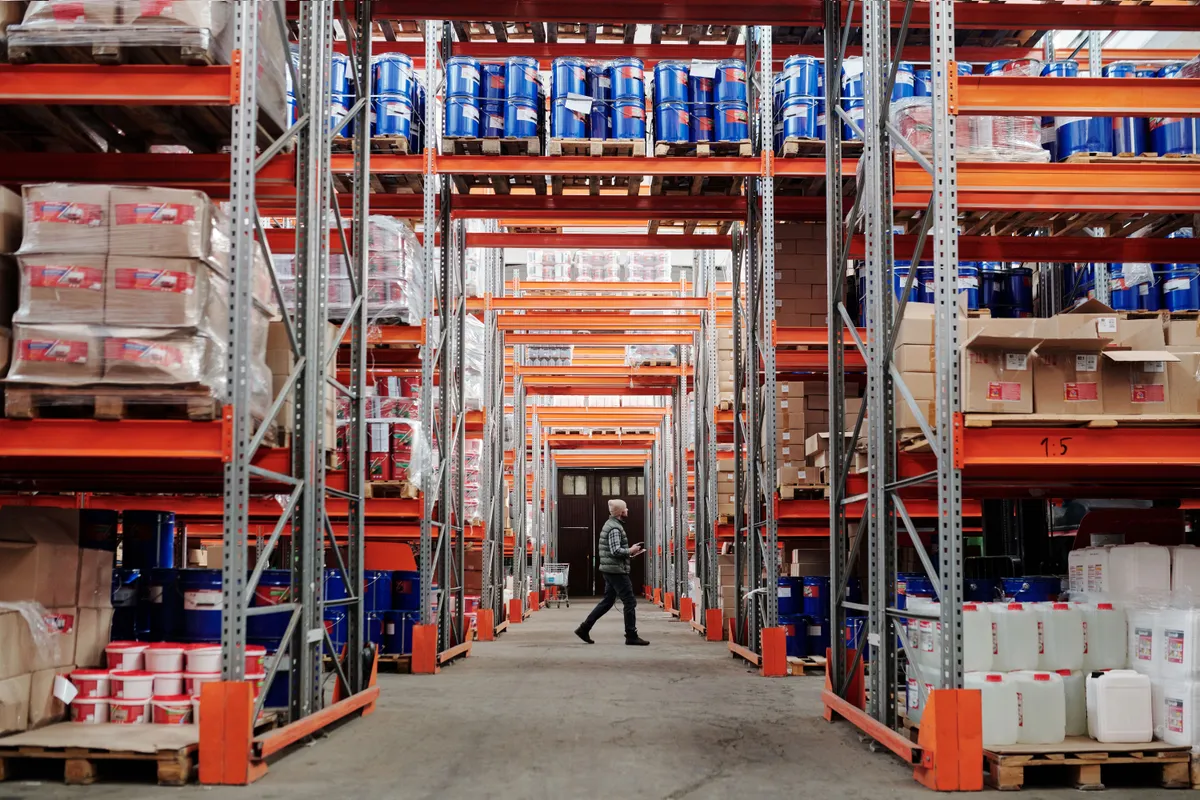
Certain building types make a pump likely before the calculations even start: high-rise buildings that need pressure at upper floors, high-hazard storage with large demands, and sites on weak or distant water mains. In each case the theme is the same — the design demand outruns what the source can supply unaided.
Design it as the critical asset it is
Once a pump is required, it becomes one of the most important components in the building. NFPA 20 governs its installation, and the details — sizing, driver selection, power reliability, and controller arrangement — determine whether the whole system performs when it matters. It is not a component to value-engineer casually.
This article is general guidance, not project-specific engineering advice. Applicable codes, adopted editions, and local amendments vary by jurisdiction — confirm requirements for your project with the Authority Having Jurisdiction.