Understanding NFPA 13 Storage Requirements for High-Piled Goods
How NFPA 13 drives protection for solid-piled and palletized storage of Class I–IV commodities — and the variables that decide the design.

NFPA 13, the Standard for the Installation of Sprinkler Systems, contains some of the most demanding design criteria in the code. Storage protection is where those criteria bite hardest: the same building, protected as an office, looks nothing like it does when it stores palletized goods to the ceiling.
What actually drives the design
Storage sprinkler design is a function of several inputs working together. Change any one of them and the required protection can change substantially.
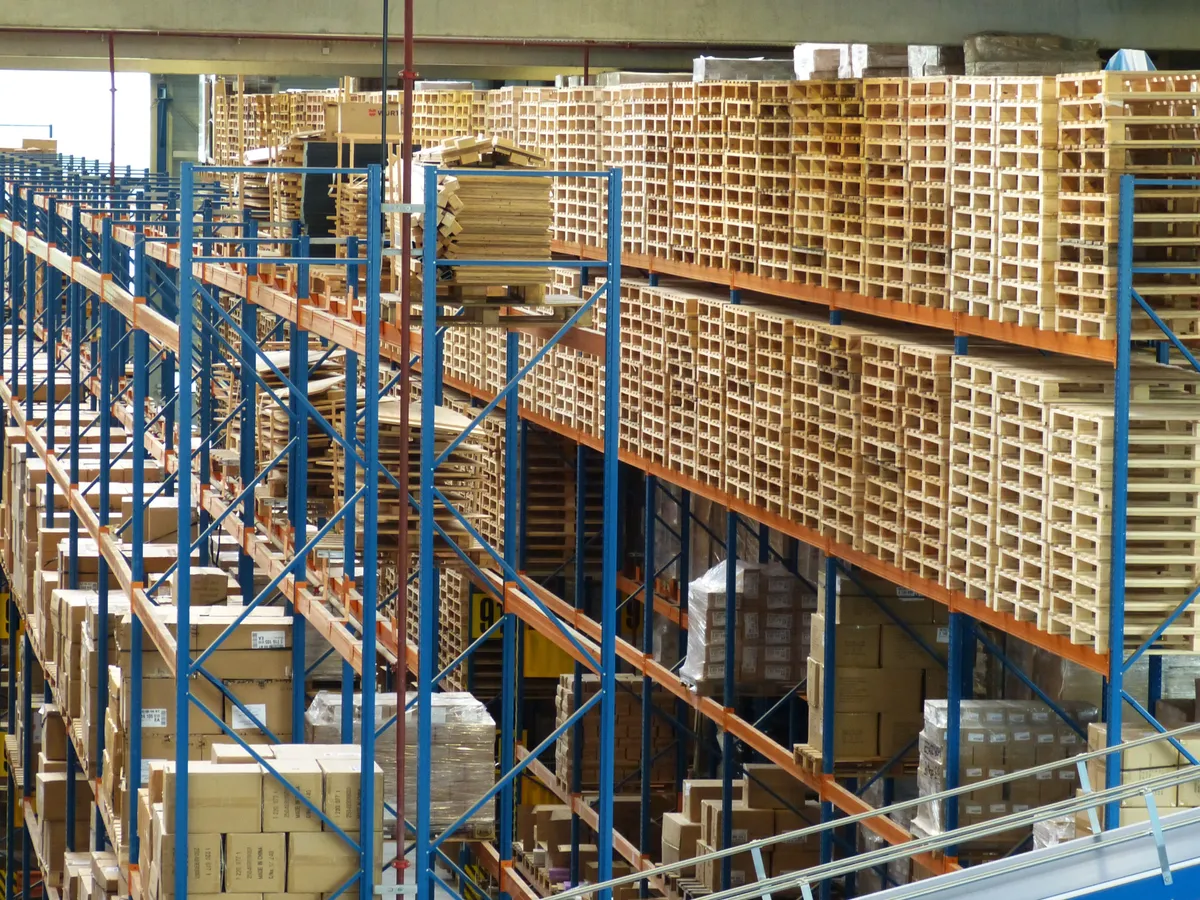
Commodity classification — from Class I through Class IV and the plastics groups Storage arrangement — solid-piled, palletized, bin-box, or rack storage Storage height and the clearance to the ceiling Building height and roof/ceiling construction The water supply actually available at the site
Ceiling-only vs. in-rack protection
Many arrangements can be protected from the ceiling alone using high-challenge sprinklers such as ESFR, provided storage height, ceiling height, and commodity fall within the listed limits. When they don't, in-rack sprinklers are added inside the racks to control a fire closer to its origin. The trade-off is real: in-rack heads add cost, coordination, and maintenance, but they can unlock storage configurations a ceiling-only system can't reach.
Why the adopted edition matters
NFPA revises its standards on a multi-year cycle, and jurisdictions adopt different editions at different times. The storage chapters in particular have been reorganized across recent editions. Before finalizing a design basis, confirm which edition your Authority Having Jurisdiction has adopted — designing to the wrong edition is a common and expensive source of rework.
This article is general guidance, not project-specific engineering advice. Applicable codes, adopted editions, and local amendments vary by jurisdiction — confirm requirements for your project with the Authority Having Jurisdiction.