What Is Commodity Classification and Why Does It Matter?
Getting the commodity class right is the first decision in any storage design — and the one most likely to be wrong.
Commodity classification is the foundation of storage protection. It answers a deceptively simple question — how hard is this stuff to burn? — and that answer sets the sprinkler density, the allowable storage height, and ultimately the cost of the system.
The classes, briefly
Codes group stored goods by how much heat they release and how quickly. Non-combustible and lightly packaged products sit at the low end; heavily plastic products sit at the high end and demand far more water.
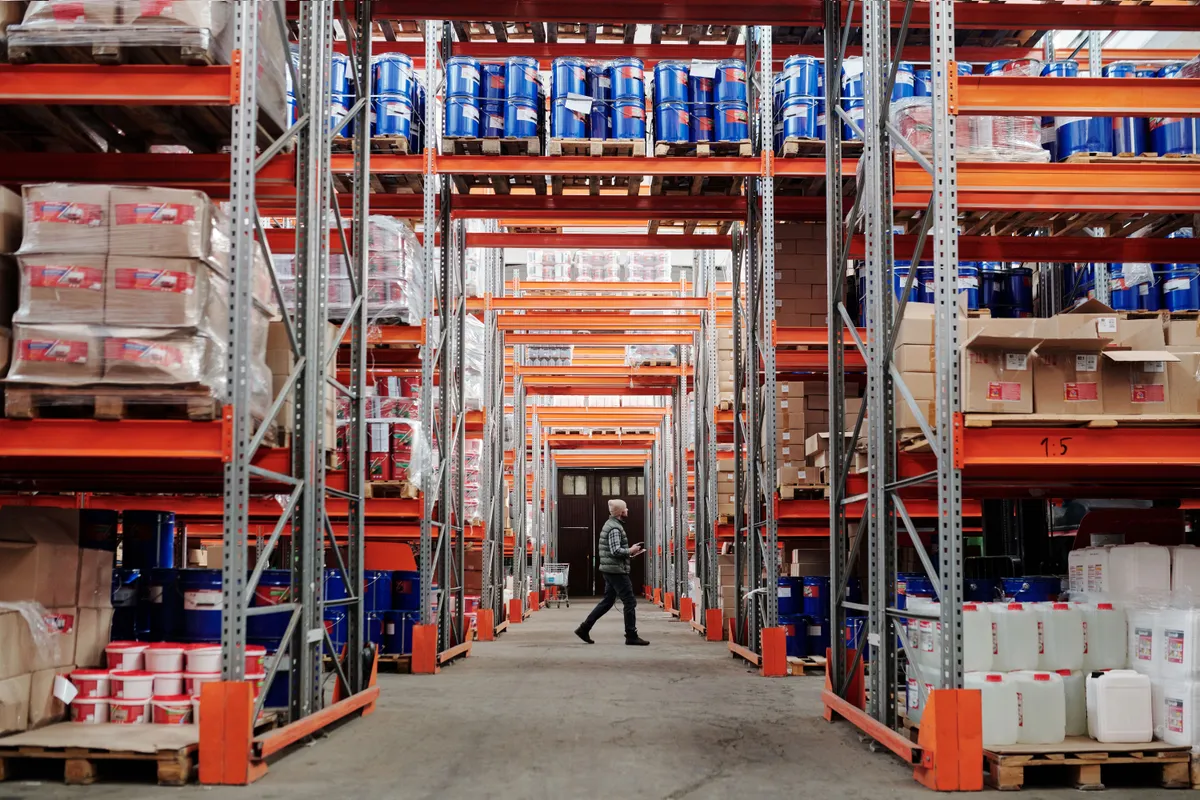
Class I through Class IV — increasing combustibility, driven largely by how much plastic is present Group A, B, and C plastics — treated separately because they burn hotter and faster Special cases — aerosols, ignitable liquids, and roll paper have their own rules
Where teams get it wrong
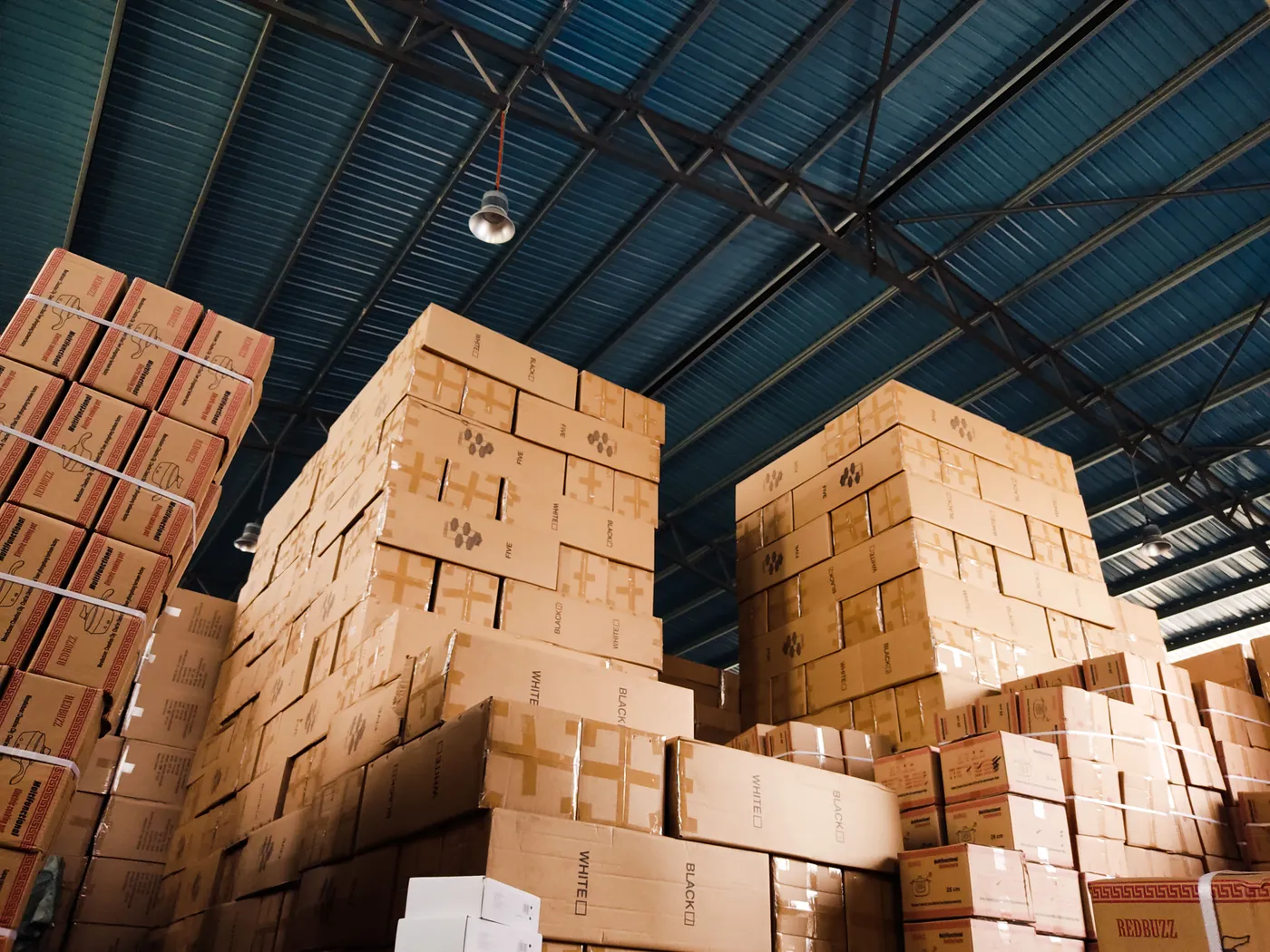
The classification is rarely the pure product. Packaging, pallets, and the way goods are grouped can push a benign product into a higher class. A metal part is non-combustible — but shrink-wrapped in plastic and boxed in cardboard on a plastic pallet, the package that actually burns is a very different thing. Mixed storage complicates it further: a facility usually has to design to the most demanding commodity present unless it is reliably segregated.
Why it's worth getting right early
Because everything downstream depends on it, a wrong classification is expensive to discover late. Over-classify and you pay for protection you didn't need; under-classify and you have a system that won't perform — and an AHJ or insurer who will notice. A defensible classification, documented up front, is the cheapest insurance in the whole design.
This article is general guidance, not project-specific engineering advice. Applicable codes, adopted editions, and local amendments vary by jurisdiction — confirm requirements for your project with the Authority Having Jurisdiction.