Clean Agent vs. Water Mist for Data Centers
Two ways to protect a room full of energized, water-sensitive equipment — and how to weigh them.
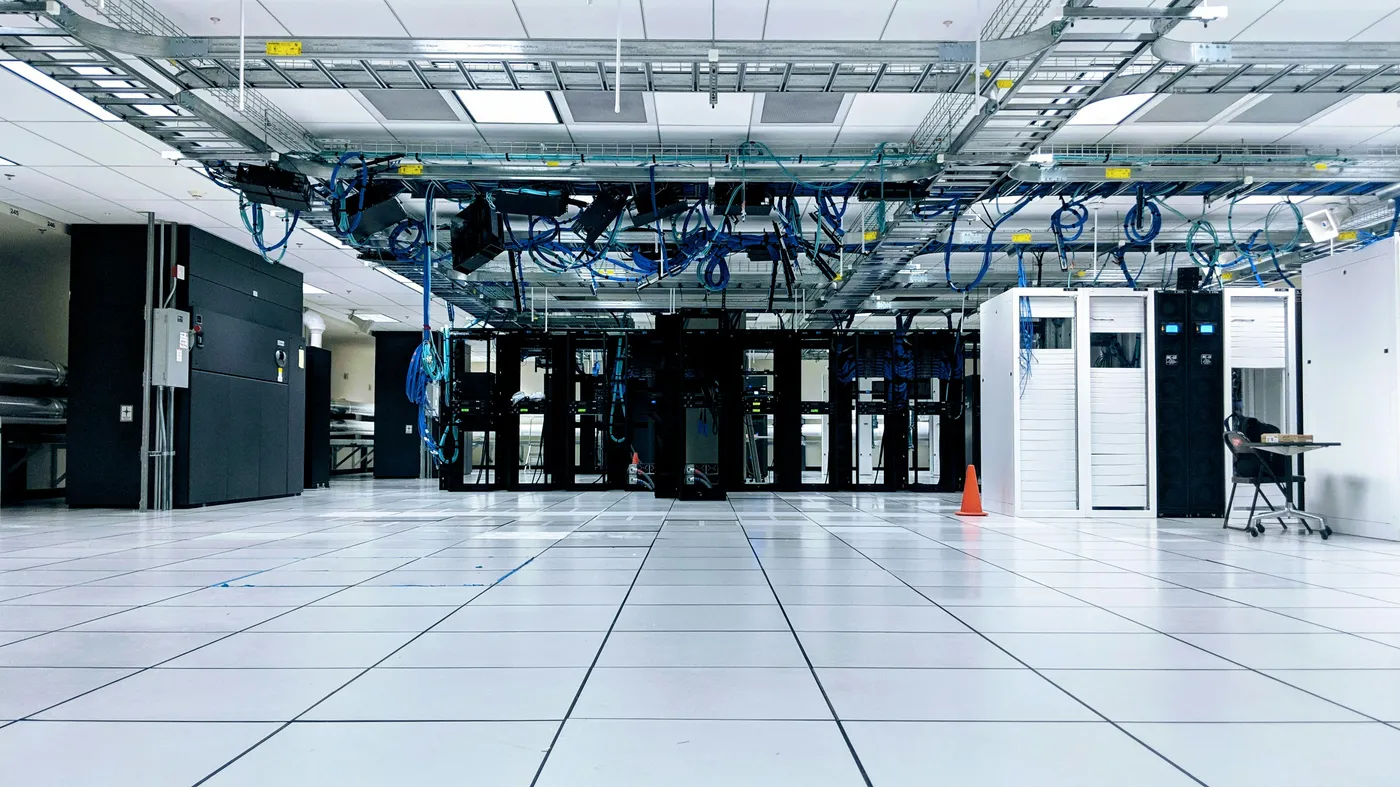
Mission-critical spaces share a problem: the equipment is expensive, always energized, and unforgiving of water. Two suppression strategies address it from different angles — gaseous clean agents and high-pressure water mist — and the choice has real consequences for downtime, cost, and room design.
Clean agents
Clean agents are electrically non-conductive, leave no residue, and flood an enclosure to an extinguishing concentration in seconds. For a room of live electronics, that combination is compelling — a fire is put down fast and the equipment is left clean.
No water, no residue, no conductive fallout on hardware Fast total-flooding knockdown in a sealed enclosure Depends on room integrity — leaky enclosures lose the agent, so a room integrity test matters Requires storage for the agent and careful attention to personnel safety
Water mist
High-pressure water mist suppresses fire with a fine spray that uses a small fraction of the water of a conventional sprinkler, cooling the fire and displacing oxygen locally. It sidesteps the enclosure-integrity dependence of a gas and doesn't deplete.
Uses far less water than a conventional sprinkler Does not depend on holding a gas concentration in a sealed room Introduces water — mitigated by droplet size, but a factor for sensitive gear Needs the pressure infrastructure to generate a proper mist
Making the call
There is no universal winner. Clean agents excel in tight, sealable rooms where any water is unacceptable; water mist appeals where enclosure integrity is hard to guarantee or agent resupply is a concern. Room construction, the value and sensitivity of the equipment, and the owner's tolerance for downtime usually decide it — and the analysis should happen early, because both approaches shape the room, not just the ceiling.
This article is general guidance, not project-specific engineering advice. Applicable codes, adopted editions, and local amendments vary by jurisdiction — confirm requirements for your project with the Authority Having Jurisdiction.